
By Bob Hubbard, Hubbard Family Swim Schools
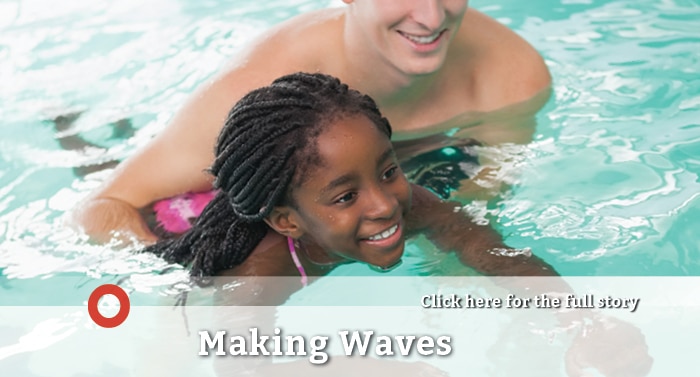
As temperatures rise in the Valley and the school year wraps up, now is the perfect time to prioritize swimming lessons for babies and kids of all ages.
According to the Centers for Disease Control (CDC), drowning is the leading cause of death for children 1-4 years old and the second leading cause of death for children ages five to 14.
The best way to prevent accidental drowning is to take formal swimming lessons. Research shows swimming lessons for children 1-4 can decrease the accidental drowning risk by 88%. Swim lessons provide safety skills and teach proper swimming techniques essential for keeping children safer in the water.
Benefits of swimming lessons
The most obvious benefit of swimming lessons is to provide a foundation of confidence and safety in and around the water. Learning to swim at an early age instills a sense of self-assurance in babies and children, helping them feel comfortable and secure in aquatic environments of all kinds including bathtubs, pools and open water environments like lakes and oceans. Building confidence in the water can open up a world of fun and recreation for kids, while also providing peace of mind for parents.
There are also lifelong benefits of swimming for a child’s body and brain. Swimming helps develop a child’s muscles and joints, improves motor skills and rhythmic coordination, improves the strength of their heart and lungs and helps support developing brains.
Formal swim lessons help children learn to socialize with their peers and create a sense of community. Swimming can improve a baby’s coordination, balance and sleeping patterns, and the increased activity can improve their appetites.
According to a study done by Griffith University in Australia, children who participate in regular swimming activities reach physical milestones quicker and have a higher level of intelligence due to earlier brain and cognitive development.
When to start swimming lessons
The American Academy of Pediatrics recommends formal swimming lessons begin for children by their first birthday, especially if they are regularly around water.
But most babies can be introduced to water between two and six months of age. Warm water and protection from the sun are very important when teaching water acclimation to babies at this age.
Babies between the ages of eight weeks and six months can enjoy water on their faces and can initiate submersions by themselves as they put their faces and heads under the water after the water prep lessons. One of the benefits of baby swimming exposure is that it starts building water confidence early. Going in the water with your baby will not only make them more assured about being in and around water, but it can also build your confidence as well.
Parents should consider participation in a “mommy/daddy and me” style swim class. This style of class is perfect for the youngest learners and gives parents and their children a chance to bond while learning water skills. These classes are a mix of lessons, playtime and structured activities in a safe and nurturing atmosphere.
The U. S. Swim School Association, which we have been active members of for years, strongly believes that babies, toddlers and children of all ages should participate in swim lessons in a high-quality aquatics program. A child of any age will never be completely “drown proof” or “water safe,” however we can teach our children and families to be safer around the water.
What to look for in a swim school
Every child is unique, and we encourage parents and caregivers to thoroughly research and choose a swim program that aligns with their family’s values, their child’s learning style and their comfort level.
To make an informed decision, talk to trusted sources including friends, family members and other parents in your community. They can offer personal insight based on their experiences. You can explore local swim programs online by visiting the U.S. Swim School Association website (https://usswimschools.org/). This resource helps families find reputable swim schools and provides an online directory of member schools that agree to the organization’s standards.
As you narrow down your findings, don’t hesitate to ask if you and your child can observe a class. Most reputable swim schools will happily let you tour their facility, talk to their staff and even meet other parents with kids your child’s age. Visiting a local swim school and watching a lesson firsthand can help parents assess the teaching approach and ensure it aligns with their expectations.
Enrolling in swimming lessons this summer may prove to be one of the most enjoyable, special bonding experiences you and your child will ever experience. Trust me, when you eventually watch your child take his or her first swim strokes across the pool, it will be just as exciting and memorable as watching them take their first steps.
Bob Hubbard and his wife, Kathy, are internationally renowned speakers and experts in the field of infant swimming. The Hubbards own four swim schools in Phoenix, Peoria, Mesa and Goodyear. Since 1998, the Hubbard Family Swim Schools have offered lessons to babies and children from two months to 12 years of age. The swim schools also offer private swim lessons to children with special needs. For more information, call (602) 971-4044 or visit www.hubbardswim.com.